Skip to content
Energy Management

Energy Management

  • Home
  • Management
  • Conservation
  • Efficiency
  • Policy
  • Energy
  • Training
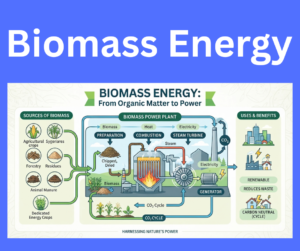
Biomass Energy explained

Biomass Energy: Sources, Types, Conversion, Advantages, and Importance

Biomass energy is renewable energy produced from organic materials such as agricultural residues, wood, animal waste, food waste, and other biodegradable matter. It can be … Read more
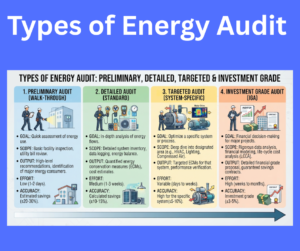
Types of Energy Audit explained

Types of Energy Audit: Preliminary, Detailed, Targeted & Investment Grade

Understanding the types of energy audit is essential for selecting the right approach to improving energy efficiency in buildings, commercial facilities, and industrial plants. An … Read more

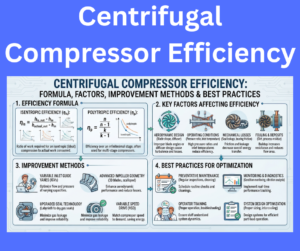
Centrifugal Compressor Efficiency explained

Centrifugal Compressor Efficiency: Formula, Factors, Improvement Methods & Best Practices

Centrifugal compressor efficiency is one of the most important parameters used to evaluate the performance and energy efficiency of a centrifugal compressor. It indicates how … Read more

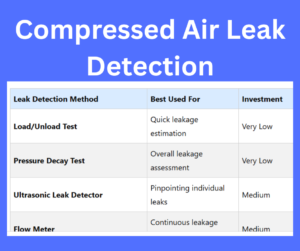
Compressed Air Leak Detection explained

Compressed Air Leak Detection: Methods, Tools & Best Practices

Compressed air leak detection is one of the most effective ways to reduce energy waste and improve the efficiency of industrial compressed air systems. Compressed … Read more

Electric Battery explained

Electric Battery: Definition, Working Principle, Types, Construction & Uses

Electric batteries have become an essential part of modern life. An electric battery is a device that stores chemical energy and converts it into electrical … Read more

Air Compressor Energy Saving explained

Air Compressor Energy Saving: 23 Proven Ways to Reduce Compressed Air Energy Costs

Compressed air is often called the fourth utility in industries, alongside electricity, water, and gas. Although it is essential for powering pneumatic tools, actuators, and … Read more

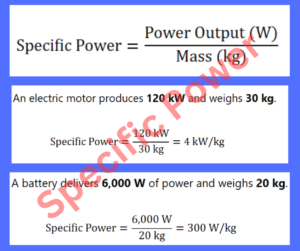
Specific Power explained

Specific Power: Formula, Units, Importance & Examples

Specific power is one of the most important performance metrics used in modern engineering to compare engines, electric motors, batteries, fuel cells, and other power-producing … Read more

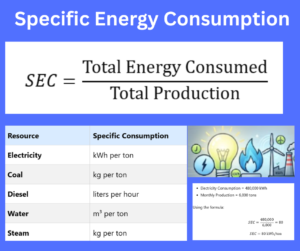
Specific Energy Consumption explained

Specific Energy Consumption (SEC): Formula, Unit, Calculation, and Examples

Specific Energy Consumption (SEC) is one of the most important performance indicators used in energy management. It helps industries measure how efficiently they use energy … Read more

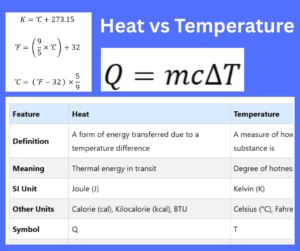
Heat vs Temperature explained

Heat vs Temperature: What’s the Difference?

Heat vs temperature is one of the most commonly confused topics in physics. Although the terms are often used interchangeably in everyday conversations, they have … Read more

Nuclear Fusion vs Nuclear Fission explained

Nuclear Fusion vs Nuclear Fission: Key Differences, Process, Advantages, and Comparison

The main difference between nuclear fusion vs nuclear fission is that nuclear fusion combines two light atomic nuclei to form a heavier nucleus, whereas nuclear … Read more

Older posts
Newer posts
← Previous Page1 … Page3 Page4 Page5 … Page8 Next →

Recent Posts

  • Electrical Conductivity: Formula, Unit, Symbol, Examples and Measurement
  • Types of Coal: Peat, Lignite, Bituminous Coal and Anthracite
  • Kilogram (kg): Symbol, Abbreviation, Definition, and Conversion
  • Permittivity of Free Space (ε₀): Value, Formula, SI Unit, and Applications
  • Permeability of Free Space (μ₀): Definition, Value, Formula, and Applications
Copyright © 2026 Energy Manager Contact Us ▪ About Us ▪ Privacy-Policy ▪ Disclaimer