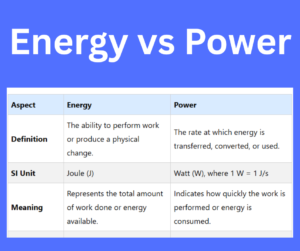
Energy vs Power: Key Differences Explained
Understanding energy vs power is important because they are closely related but represent different physical quantities. Energy is the ability to do work or cause … Read more
Understanding energy vs power is important because they are closely related but represent different physical quantities. Energy is the ability to do work or cause … Read more
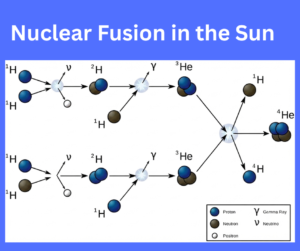
The Sun shines because of nuclear fusion, a process in which lightweight hydrogen nuclei combine to form helium while releasing an enormous amount of energy. … Read more
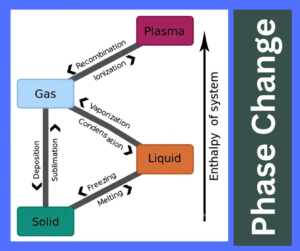
A phase change is one of the most fundamental processes in physics and chemistry. It explains how matter transforms between different physical states when environmental … Read more
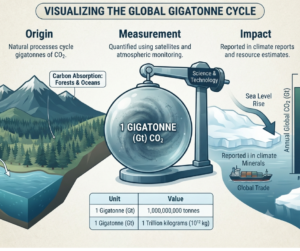
A gigatonne (Gt) is a metric unit of mass used to measure extremely large quantities. It is commonly seen in climate science, geology, environmental studies, … Read more
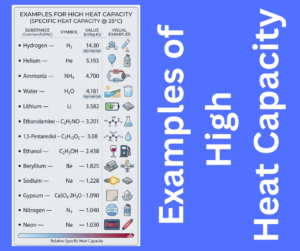
When we talk about an examples of high heat capacity, we’re referring to materials that can absorb a large amount of heat without a significant … Read more
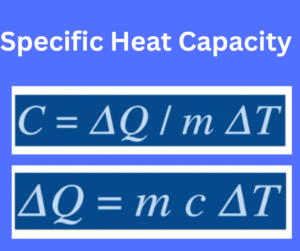
Specific heat capacity is a key concept in thermal physics that helps us understand how different materials respond to heat energy. It is especially important … Read more
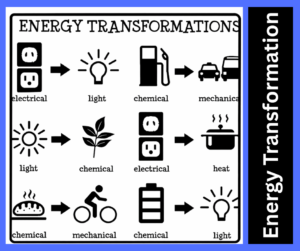
Energy is the driving force behind everything in the universe—from the sunlight that warms the Earth to the electricity powering your devices. One of the … Read more
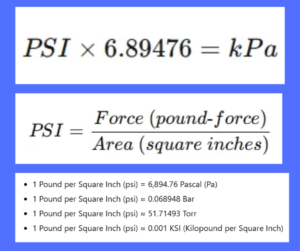
The pounds per square inch (PSI) is one of the most widely used pressure units in engineering, manufacturing, automotive industries, construction, and everyday life. Represented … Read more

The law of energy conservation is a fundamental principle of physics that explains how energy behaves in all physical processes — from simple daily activities … Read more

Have you ever checked your electricity bill and wondered why it’s higher than expected? You review the usual details—units consumed, taxes, fixed charges—but then you … Read more