Heat vs Temperature: What’s the Difference?
Heat vs temperature is one of the most commonly confused topics in physics. Although the terms are often used interchangeably in everyday conversations, they have … Read more
different types of energy and electricity generation
Heat vs temperature is one of the most commonly confused topics in physics. Although the terms are often used interchangeably in everyday conversations, they have … Read more
Understanding energy vs power is important because they are closely related but represent different physical quantities. Energy is the ability to do work or cause … Read more
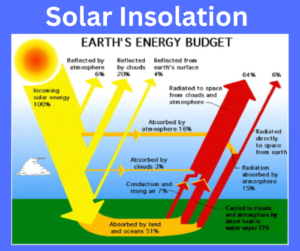
The Sun shines because of nuclear fusion, a process in which lightweight hydrogen nuclei combine to form helium while releasing an enormous amount of energy. … Read more
A phase change is one of the most fundamental processes in physics and chemistry. It explains how matter transforms between different physical states when environmental … Read more
A gigatonne (Gt) is a metric unit of mass used to measure extremely large quantities. It is commonly seen in climate science, geology, environmental studies, … Read more
When we talk about an examples of high heat capacity, we’re referring to materials that can absorb a large amount of heat without a significant … Read more
Specific heat capacity is a key concept in thermal physics that helps us understand how different materials respond to heat energy. It is especially important … Read more
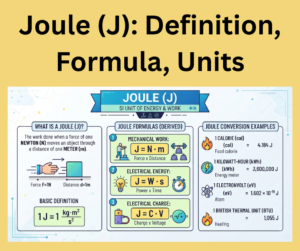
Energy is the driving force behind everything in the universe—from the sunlight that warms the Earth to the electricity powering your devices. One of the … Read more
The pounds per square inch (PSI) is one of the most widely used pressure units in engineering, manufacturing, automotive industries, construction, and everyday life. Represented … Read more
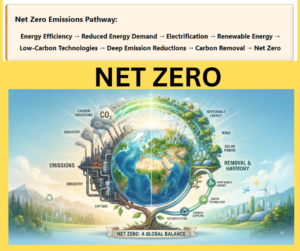
India has set an ambitious target of achieving 500 GW of renewable energy capacity by 2030 and reaching net zero emissions by 2070. As the … Read more