Coal is a naturally occurring fossil fuel that has played an important role in electricity generation, industrial heating, and metal production for centuries. However, all coal does not have the same properties. Its carbon content, moisture level, hardness, and energy output vary depending on how it formed and the extent of geological changes it experienced.
The four commonly discussed stages in the development of coal are peat, lignite, bituminous coal, and anthracite. Each has different characteristics, heating values, and industrial applications. Understanding these types of coal helps explain why some are mainly used in power plants, while others are preferred for producing coke or supplying high-temperature industrial heat.
How Is Coal Formed?
Coal forms from ancient plant material that accumulated in waterlogged environments, such as swamps and marshes. Over millions of years, burial, pressure, heat, and chemical changes gradually transformed this organic matter into different ranks of coal.
Stages of Coal Formation
1. Accumulation of plant material
Millions of years ago, vegetation grew in swampy environments. When plants died, their remains accumulated in waterlogged areas where limited oxygen slowed complete decomposition.
2. Formation of peat
Partially decomposed plant matter accumulated in thick layers. This organic material, known as peat, represents an early stage in the development of coal.
3. Burial beneath sediments
Over time, sediments such as sand, silt, and clay covered the peat. Additional layers accumulated above it, increasing the pressure on the buried organic material.
4. Compaction and coalification
As burial continued, compaction expelled water and geological heating drove chemical changes. The organic material gradually lost moisture and some of its oxygen- and hydrogen-containing compounds, increasing the relative proportion of carbon.
5. Development of different coal ranks
With sufficient time and suitable geological conditions, peat may transform into lignite, bituminous coal, and eventually anthracite. The exact progression depends on temperature, pressure, burial history, and other geological factors. Not every coal deposit reaches the anthracite stage.
How Does Carbon Content Change During Coal Formation?
Carbon content generally increases as a proportion of the coal’s mass during coalification. This does not mean that the total quantity of carbon necessarily increases. Instead, the loss of water and other compounds makes carbon a larger fraction of the remaining material.
The degree of coalification affects several important fuel properties:
- Moisture content: Generally decreases as coal rank increases.
- Carbon concentration: Generally increases with higher coal rank.
- Volatile matter: Often decreases toward higher ranks, although coal properties vary.
- Heating value: Usually increases on a comparable mass basis as moisture decreases and the fuel becomes more carbon-rich.
The relationship is not absolute for every sample. Heating value and combustion performance also depend on ash, sulfur, volatile matter, and the basis used to report the analysis.
Types of Coal
1. Peat
Peat is an accumulation of partially decomposed plant material found in waterlogged environments. It is the precursor to coal and is not normally classified as true coal in formal coal-rank systems.
Peat forms when plant remains accumulate faster than they decompose. Because it contains considerable moisture and incompletely transformed organic matter, it generally provides less useful energy per unit of mass than higher-rank coal.
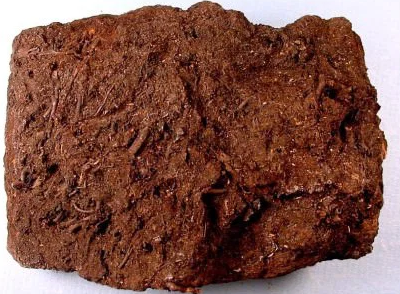
Characteristics of Peat
- Formation stage: Peat is the first stage in the conventional sequence of coal formation.
- Carbon content: Generally lower than that of mature coal. Its carbon percentage varies depending on moisture content, decomposition, and the analytical basis used.
- Moisture content: Usually very high, which reduces the amount of useful heat obtained during combustion.
- Volatile matter: Contains organic compounds that release gases and vapours when heated.
- Heating value: Generally low compared with mature coal, particularly when peat is burned in its natural, moisture-rich condition.
- Combustion: Dried peat can burn similarly to wood. Depending on its composition and burning conditions, it may produce considerable smoke and leave ash.
- Ash content: Varies with the amount of mineral matter present in the peat.
- Main uses: Horticulture, soil improvement, and fuel in some regions.
Uses of Peat
Peat is used in horticulture as a soil amendment and growing medium, although its use raises environmental concerns because peatlands store substantial quantities of carbon. In some regions, dried peat is also used as a fuel.
Key point: Peat is the starting material for many coal deposits, but it differs from mature coal in its composition, moisture content, and degree of transformation.
2. Lignite
Lignite is a low-rank coal commonly known as brown coal. It develops when peat undergoes further burial, compaction, and chemical transformation. Lignite is generally softer and contains more moisture than higher-rank coals.
Its high moisture content reduces the amount of useful heat available from each kilogram of fuel. Consequently, lignite is often burned near the mines where it is extracted, avoiding the expense of transporting large quantities of water-containing material.
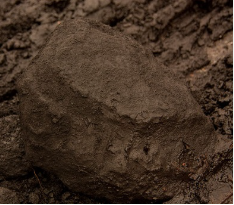
Characteristics of Lignite
- Coal rank: Low-rank coal.
- Carbon content: Commonly lower than that of bituminous coal and anthracite; exact values depend on the sample and reporting basis.
- Moisture content: Relatively high, sometimes exceeding 35% in as-mined material.
- Appearance: Brown to dark brown, with a relatively soft and earthy texture.
- Heating value: Lower than that of most bituminous and anthracite coals.
- Volatile matter: Generally substantial, depending on the deposit.
Uses of Lignite
Lignite is primarily used for electricity generation in power stations located close to lignite deposits. It can also supply heat for certain industrial processes.
Why Can Lignite Catch Fire During Storage?
Some lignites are susceptible to spontaneous heating. When coal reacts slowly with oxygen, it releases heat. If this heat cannot escape, the temperature may rise and potentially lead to spontaneous combustion.
Risk depends on the coal’s properties, particle size, moisture conditions, storage geometry, and ventilation. Appropriate stockpile management, temperature monitoring, and fire-prevention procedures are therefore important.
Key point: Lignite is economical where deposits are abundant and power plants are nearby, but its high moisture content generally makes it less energy-dense than higher-rank coal.
3. Bituminous Coal
Bituminous coal is a medium- to high-rank coal that is widely used in electricity generation, industrial boilers, cement manufacturing, and iron and steel production. It is usually black, relatively dense, and more energy-rich than lignite.
The term bituminous refers to its historical association with bitumen-like substances. Its composition varies considerably, so not every bituminous coal has identical heating or coking properties.
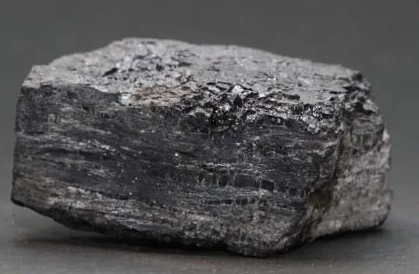
Characteristics of Bituminous Coal
- Coal rank: Medium- to high-rank coal.
- Carbon content: Generally higher than lignite, with the reported percentage depending on whether it is measured on an as-received, dry, or other analytical basis.
- Moisture content: Generally lower than lignite.
- Appearance: Usually black, compact, and sometimes lustrous.
- Heating value: Typically high compared with lower-rank coal.
- Volatile matter: Varies by coal type and grade.
Types of Bituminous Coal
Bituminous coal is further classified according to its properties and intended use.
Thermal coal: Also called steam coal, it is mainly burned to generate electricity or provide industrial heat.
Coking coal: Selected bituminous coals that soften and form a coherent coke when heated without air. The resulting coke is used in traditional blast-furnace ironmaking.
Not all bituminous coal is suitable for coke production. Coking behavior depends on specific properties, including plasticity, fluidity, and the composition of the coal blend.
Uses of Bituminous Coal
- Electricity generation in thermal power plants.
- Production of coke for ironmaking.
- Industrial heating and steam generation.
- Fuel for some cement kilns and other industrial furnaces.
- Manufacture of coal-derived products through suitable industrial processes.
Key point: Bituminous coal is important because it combines relatively high energy content with a wide range of industrial uses. Certain grades are particularly valuable for steel production.
4. Anthracite Coal
Anthracite is the highest rank in the conventional coal-rank classification. It is a hard, compact coal with high fixed-carbon content, low volatile matter, and a characteristic lustrous appearance.
Anthracite generally burns with a relatively short, hot flame and little visible smoke when combustion is properly controlled. However, low smoke production does not mean that it is emission-free. Burning anthracite still releases carbon dioxide and may produce sulfur compounds, particulate matter, and other pollutants depending on its composition and combustion system.
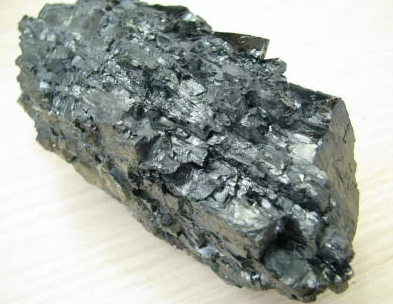
Characteristics of Anthracite Coal
- Coal rank: Highest.
- Carbon content: Generally high, with the exact percentage depending on the analytical basis.
- Moisture content: Usually low.
- Volatile matter: Low compared with lower-rank coals.
- Appearance: Hard, shiny, and often semi-metallic in lustre.
- Heating value: Generally high.
- Ignition: Often more difficult to ignite than lower-rank coal because of its low volatile matter.
Uses of Anthracite Coal
- Residential and commercial heating in suitable combustion systems.
- Industrial heating applications.
- Water filtration as a filter medium in specially processed forms.
- Certain metallurgical and specialized industrial applications.
Anthracite is not necessarily the best choice for every industrial application. Its low volatile matter and ignition characteristics can make it less suitable than other coal types for some combustion systems.
Where Is Anthracite Found in India?
Anthracite occurrences are reported in Jammu and Kashmir, although its availability and commercial significance are limited compared with India’s major coal resources. India’s large coal production is dominated by lower-rank and bituminous coal resources rather than anthracite.
Key point: Anthracite has the highest coal rank, but its suitability depends on the required combustion characteristics and intended use.
Comparison of the Four Types of Coal
| Property | Peat | Lignite | Bituminous Coal | Anthracite |
| Position in sequence | Precursor | Low rank | Medium to high rank | Highest rank |
| Appearance | Brown, fibrous | Brown to dark brown | Usually black | Black and lustrous |
| Carbon content (%) | Less than 60%* | 65–70%* | 76–86%* | 86–92%* |
| Moisture content (%) | Very high; around 75%* | 35–55%* | 8–18%* | 7–10%* |
| Heating value (MJ/kg) | Around 15* | 17–18* | 23–33* | 32–33* |
| Volatile matter | Variable | Relatively high | Variable | Low |
| Ignition | Burns when sufficiently dry | Relatively easy | Depends on grade | Often more difficult |
| Main applications | Horticulture; some fuel use | Power generation | Power generation, industrial heat, coke production | Heating and specialized uses |
Note: This table gives general trends, not fixed specifications. Coal properties vary between deposits, and comparisons depend on whether results are reported on an as-received, dry, or dry ash-free basis.
Which Type of Coal Has the Highest Carbon Content?
Anthracite generally has the highest carbon concentration among the four types discussed. It also has low volatile matter and relatively little moisture compared with lower-rank coal.
However, carbon content alone does not determine the suitability of a fuel. Ash, sulfur, heating value, coking properties, combustion equipment, and environmental requirements also influence its practical value.
Which Type of Coal Is Used for Electricity Generation?
Lignite, sub-bituminous coal, and bituminous thermal coal are commonly used for electricity generation. The choice depends on local reserves, fuel cost, plant design, transportation, and environmental controls.
Lignite is often used close to its mine because transporting it over long distances can be uneconomical. Bituminous coal is widely traded and used in many thermal power stations because of its generally higher energy density.
Anthracite can also be burned for energy, but it is not the dominant fuel for conventional large-scale power generation in many coal-producing countries.
Which Type of Coal Is Used in Steel Production?
Selected coking bituminous coals are used to manufacture coke for conventional blast-furnace ironmaking. Coke provides heat, supports the burden inside the furnace, and participates in the chemical reactions that reduce iron ore.
Not every bituminous coal can produce suitable metallurgical coke. Steelmakers select coals based on their coking properties and may blend several grades to obtain the required coke quality.
What Is the Difference Between Coal Rank and Coal Grade?
Coal rank and coal grade are related but different concepts.
Coal rank describes the degree of coalification, ranging from low-rank lignite to high-rank anthracite. It reflects changes in the coal’s organic composition and properties during geological development.
Coal grade generally describes the quality or suitability of a coal for a particular purpose. It may take into account heating value, ash, sulfur, moisture, and other specifications. A coal with a high rank is not automatically the best fuel for every application.
Environmental Impact of Different Types of Coal
All coal types create environmental impacts when extracted and used, but the scale and nature of those impacts depend on the coal’s composition, mining method, combustion technology, and pollution-control equipment.
- Peat: Peat extraction can damage peatland ecosystems and release stored carbon.
- Lignite: Its high moisture content generally means more fuel must be burned to produce the same useful energy.
- Bituminous coal: Combustion can release carbon dioxide, sulfur dioxide, nitrogen oxides, particulate matter, and trace contaminants.
- Anthracite: Its low volatile matter can reduce visible smoke under suitable conditions, but it still produces carbon dioxide and may release other pollutants.
Coal mining can also disturb land, affect groundwater, and generate mine waste. Technologies such as particulate filters, flue-gas desulfurization, and improved combustion controls can reduce certain emissions, but they do not eliminate all environmental impacts.
Conclusion
The four commonly discussed stages in coal development are peat, lignite, bituminous coal, and anthracite. They differ in their degree of transformation, moisture content, carbon concentration, heating value, and industrial applications.
Peat is the organic precursor, lignite is a low-rank fuel with high moisture content, bituminous coal is widely used for power generation and selected grades for coke production, and anthracite is the highest-rank coal. Understanding these differences helps readers identify the most appropriate fuel for a given application while recognizing the environmental impacts associated with coal extraction and combustion.
Frequently Asked Questions About Types of Coal
The four commonly discussed stages are peat, lignite, bituminous coal, and anthracite. Peat is the precursor to coal, while lignite, bituminous coal, and anthracite represent progressively higher coal ranks.
Anthracite is the highest-rank coal because of its high carbon concentration and low volatile matter. However, bituminous coking coal may be more suitable for making metallurgical coke, depending on its properties.
Anthracite generally has the highest carbon concentration among the four types. Exact percentages depend on the coal sample and the analytical basis used.
Peat commonly has very high moisture content, while lignite also typically contains much more moisture than bituminous coal and anthracite.
Selected coking bituminous coals are used to produce metallurgical coke for conventional blast-furnace ironmaking. Ordinary thermal coal is not necessarily suitable for this purpose.
Read Next:
- Energy Transformation: Meaning, Types & Examples
- Law of Energy Conservation
- What Is Energy Efficiency? | Meaning, Importance, & Examples
- Energy Management: Practices, Benefits, and Impact
- 13 Advantages and Disadvantages of Biomass Energy
- Types of Biomass Energy: Forms, Conversion Methods and Uses
- What Is Chemical Energy? Definition, Examples, Types, and Uses